NAD+ functions as an oxidized redox cofactor and as a substrate for enzymes including sirtuins, PARPs, and CD38-family proteins. Laboratory kinetics examine substrate turnover, cofactor dependence, inhibition, and product formation using purified enzymes or defined extracts.
Batch tested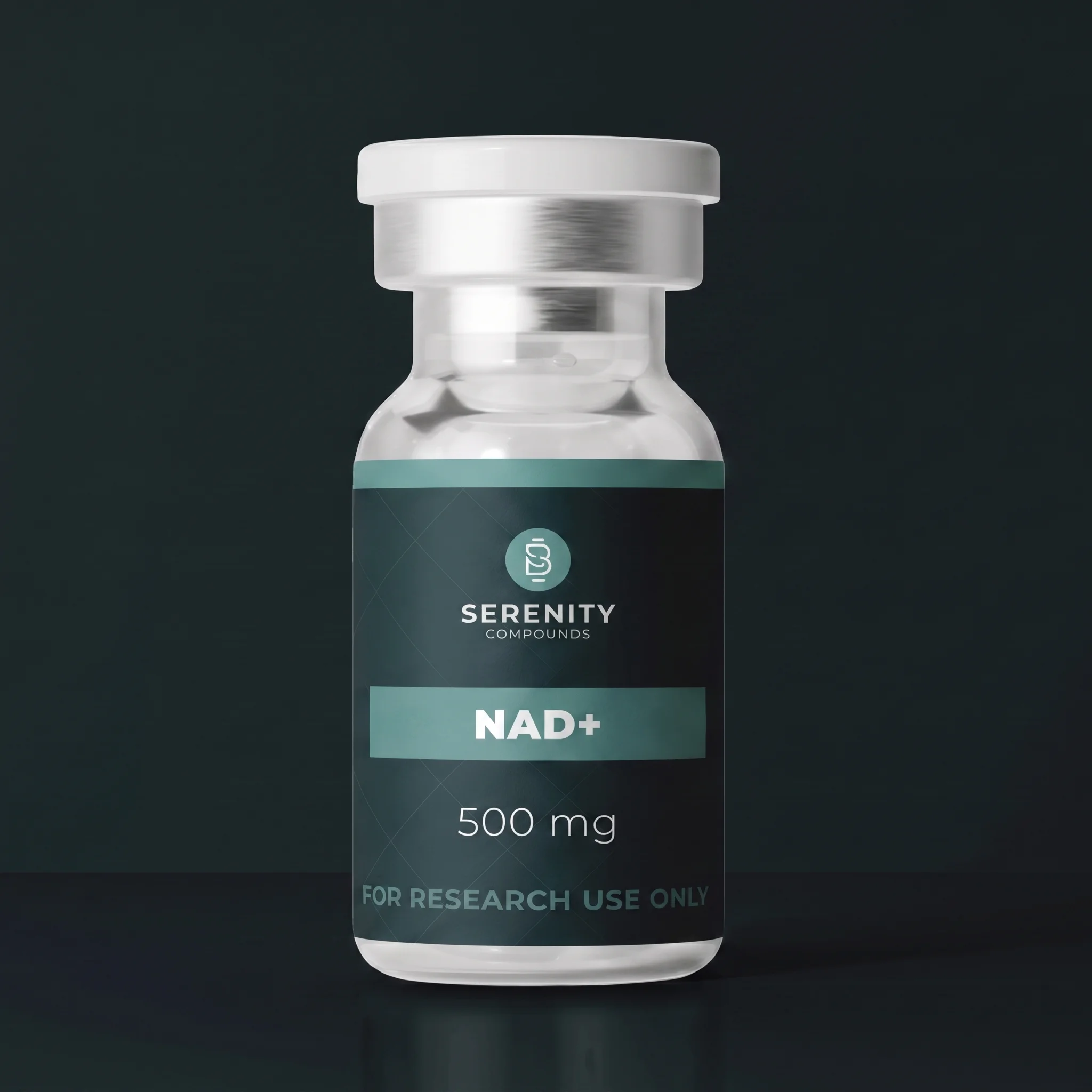
Representative product imagery. Verify the physical label and lot documentation on receipt.
Longevity Research
NAD+
In stock·Ships in 1–2 business days
NAD+ supplied in a versatile 500 mg research size. Each unit is labeled with a traceable lot code and links to its corresponding analytical report.
Select size1 option
Select pack sizeSave 18% on kits
Peptide$63.99
74 ready to shipTransparent volume pricing10-vial peptide kits save 18%.
Batch tested COA available Secure checkout US & EU dispatch
Compound context
What researchers study
NAD+ is a biochemical reference material used in enzyme, redox, and cellular metabolism assays.
Cellular-aging research examines biochemical pathways, redox state, enzyme activity, sequence stability, and measurable markers in controlled laboratory systems.
Changes in laboratory markers do not establish lifespan extension, disease prevention, or a therapeutic effect. Conclusions must remain within the design and limits of the reported experiment.
Scope limitFollow the material-specific certificate and internal laboratory SOP.
Serenity Compounds is not a compounding pharmacy or chemical compounding facility as defined under Section 503A of the Federal Food, Drug, and Cosmetic Act.
Common laboratory focus
Redox assays distinguish NAD+ from NADH and evaluate how extraction, oxygen, pH, light, and temperature alter measured ratios. Rapid quenching and appropriate standards are necessary because the two forms can interconvert or degrade during handling.
Quantification commonly uses LC-MS, enzymatic cycling, absorbance, or fluorescence methods with matrix-matched calibration. Measurements describe the sampled system and do not imply anti-aging, energy, or therapeutic effects.
Quality documentation
Know what your laboratory receives.
Batch records are published for transparency and should be independently reviewed by qualified research personnel.
Current certificateNAD+ · Lot SC-2607Identity confirmed · Purity report availableView report
- Tamper-evident packaging
- Lot and SKU traceability
- Independent analytical review
Continue exploring